
How to define your target audience (so your marketing stops feeling like guesswork)
You've probably written "my audience is women aged 25-45 who care about quality" into a business plan at some point. And you've probably felt, deep down, that it didn't actually help you write a single caption, email, or product description.
That's the problem with most audience work. It produces a demographic sketch instead of a person you could actually picture reading your content. So you sit down to post, stare at the blank box, and default to talking about yourself instead of them.
How to give your brand a personality
The reason your brand feels flat isn't that you’re piling on too many adjectives.
Think about the last time you tried to define your brand voice. You probably ended up with a list. Warm. Professional. Approachable. Bold. Authentic. Fun. Innovative. Trustworthy. Maybe twelve adjectives, all of them nice, all of them true-ish.
That's not a personality. That's a mood board with no edit.
What the research says about font pairing
Every designer has an opinion about mixing fonts. Never use more than two typefaces. Always pair a serif with a sans-serif. Serif is for trust, sans-serif is for modernity. Most of this advice gets repeated so often that it starts to sound like fact, but very little of it started as research. It started as taste, passed down until it sort of hardened into a “rule.”
What belongs in a brand bible?
Here’s a scenario you might recognize: You make a great branding decision, like finally landing on a color palette or figuring out exactly how your brand should sound. Three months later, you’re staring at a blank Canva document trying to remember what you decided, and second-guessing again, and rebuilding from scratch. Again
That’s the problem a brand bible solves.
How brands read your mind
I’m about to demystify what’s happening when it feels like a brand is reading your mind. They're not more persuasive than their competitors. They're not better writers. They're certainly not more creative in their marketing.
How to Build a Brand From Scratch: A 9-Step Framework
Branding isn't a creative gift you're either born with or not. It's a craft with a process. And like any process, it works when you do the steps in order. This is the nine-step brand strategy framework I use with consulting clients to build a brand from scratch — one that's clear, consistent, and actually does something for the business behind it.

The 12 Brand Archetypes and how to use them in your business
When you’re working without a designer to DIY your brand, it can feel overwhelming to figure out where to start, let alone how to stand out. One of the easiest ways to define your brand’s personality is by using Brand Archetypes.

Color Psychology in Branding: How to Choose the Right Palette for Your Business
Here’s the mistake most people make when choosing their brand’s color palette: they start with their favorite colors. But your brand isn’t about you, it’s about the experience you create for your audience. The right palette starts by asking, “How do I want people to feel when they interact with my brand?”

What's the difference between a business and a brand?
If you’ve ever wondered why some businesses attract die-hard fans like it’s nothing, even when they’re selling something nearly identical to everything else, the answer is branding. A brand is your business, personified.
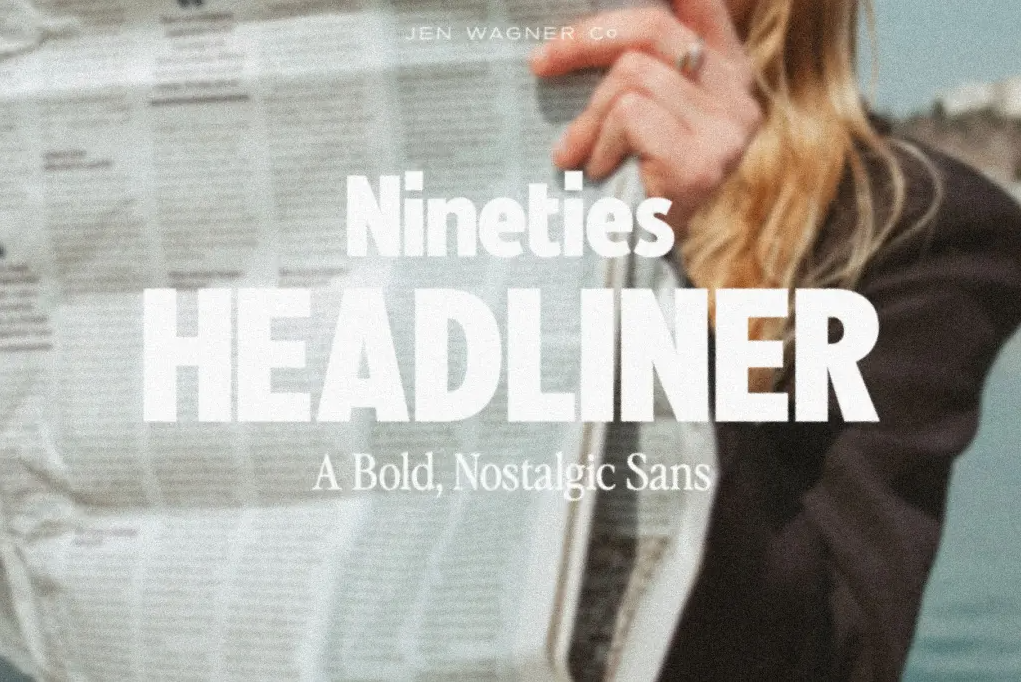
Fonts with nineties editorial vibes
Some typefaces are just letters. Others practically hum with nostalgia the second you type them.
If you’re creating a brand, blog, or content series that leans into vintage, bold, or 90s editorial inspired visuals, having the right font is like finding the perfect thrift store gem. It sets the tone before you ever say a word.

Quiet luxury, "old money" fonts
There’s a swell of requests from my clients for clean, classic, and quietly confident visual branding. On Pinterest, it’s everywhere. Understated color palettes, moody editorial photography, and serif typography that looks straight out of a legacy magazine spread.

My most used resources as a freelance designer
If you’re trying to build a brand or design your own visual identity, you’ve probably downloaded dozens of freebies and tried hundreds of tools. I’m not trying to add to the list of things you’ve been unimpressed by. These are the resources I use myself and the ones I recommend most to my freelance clients.

Copywriting for brands: Why words are your most underrated branding tool
We connect with what’s a little messy, a little honest, a little us. I’ll cut to the chase:. If you’re building a brand — as a small business, side hustler, or content creator — you need to care about your words.

What is a brand content strategy, really? (And why do creators need one?)
If you’re creating content to grow your business, build your reputation, or share your ideas, you’re already building a brand. The truth is you don’t need to post more. You need a content strategy. Let’s break down what a content strategy is, why it matters, and how to build one.